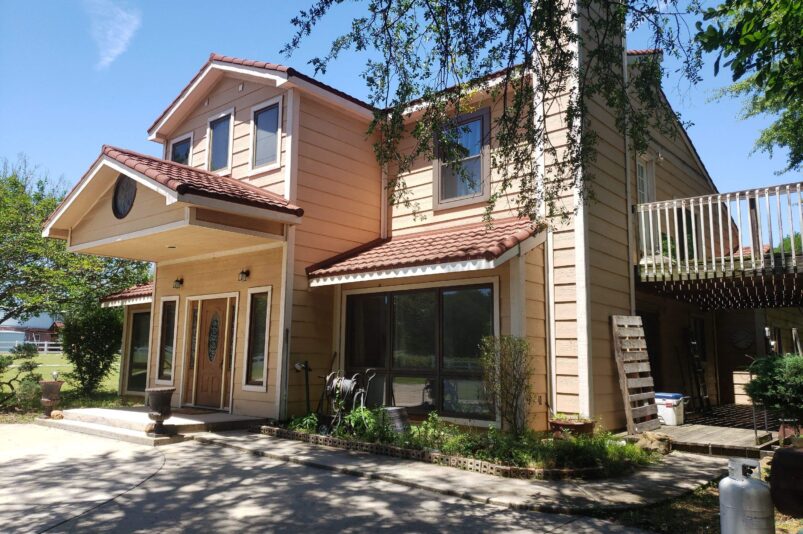
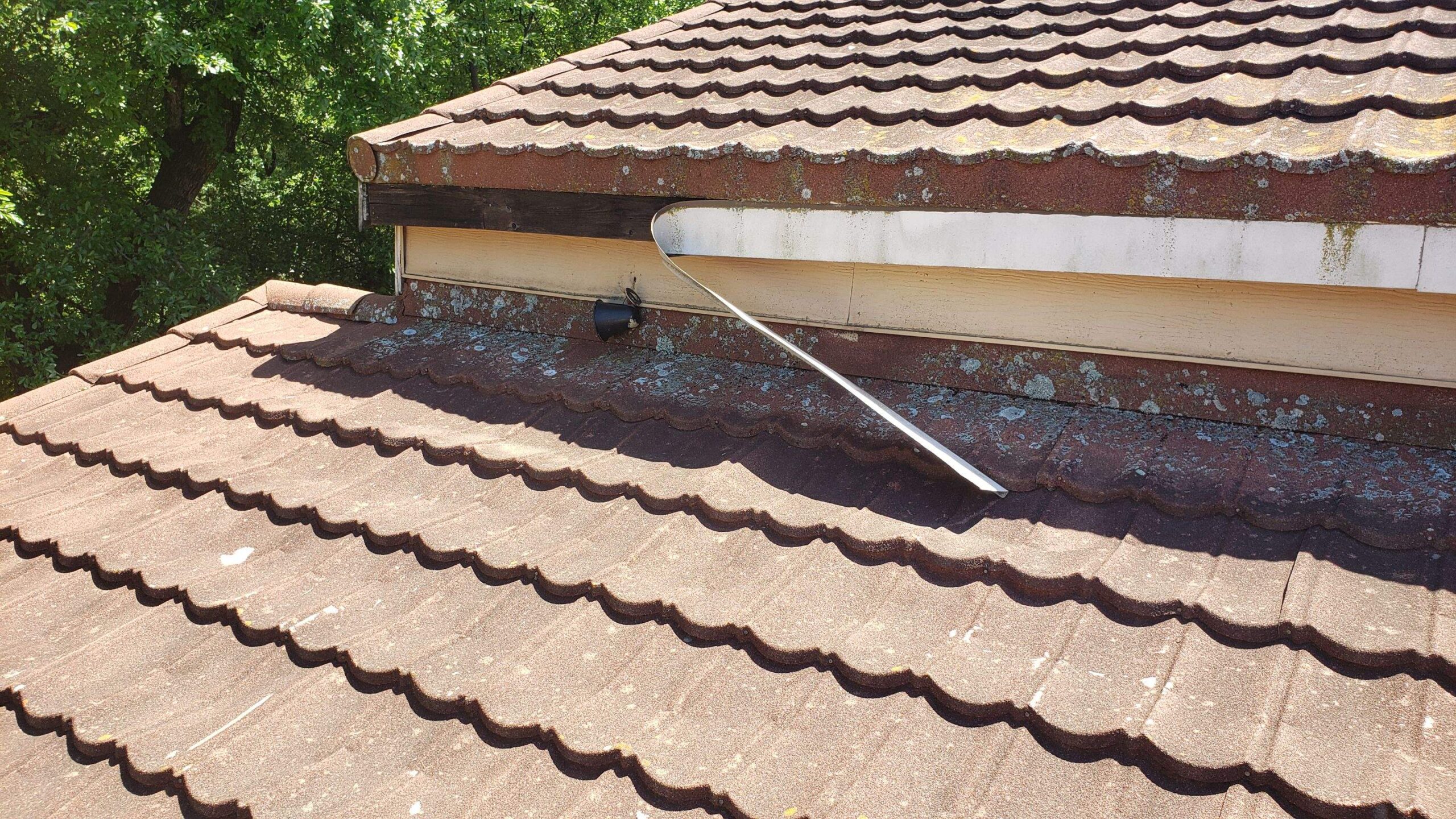
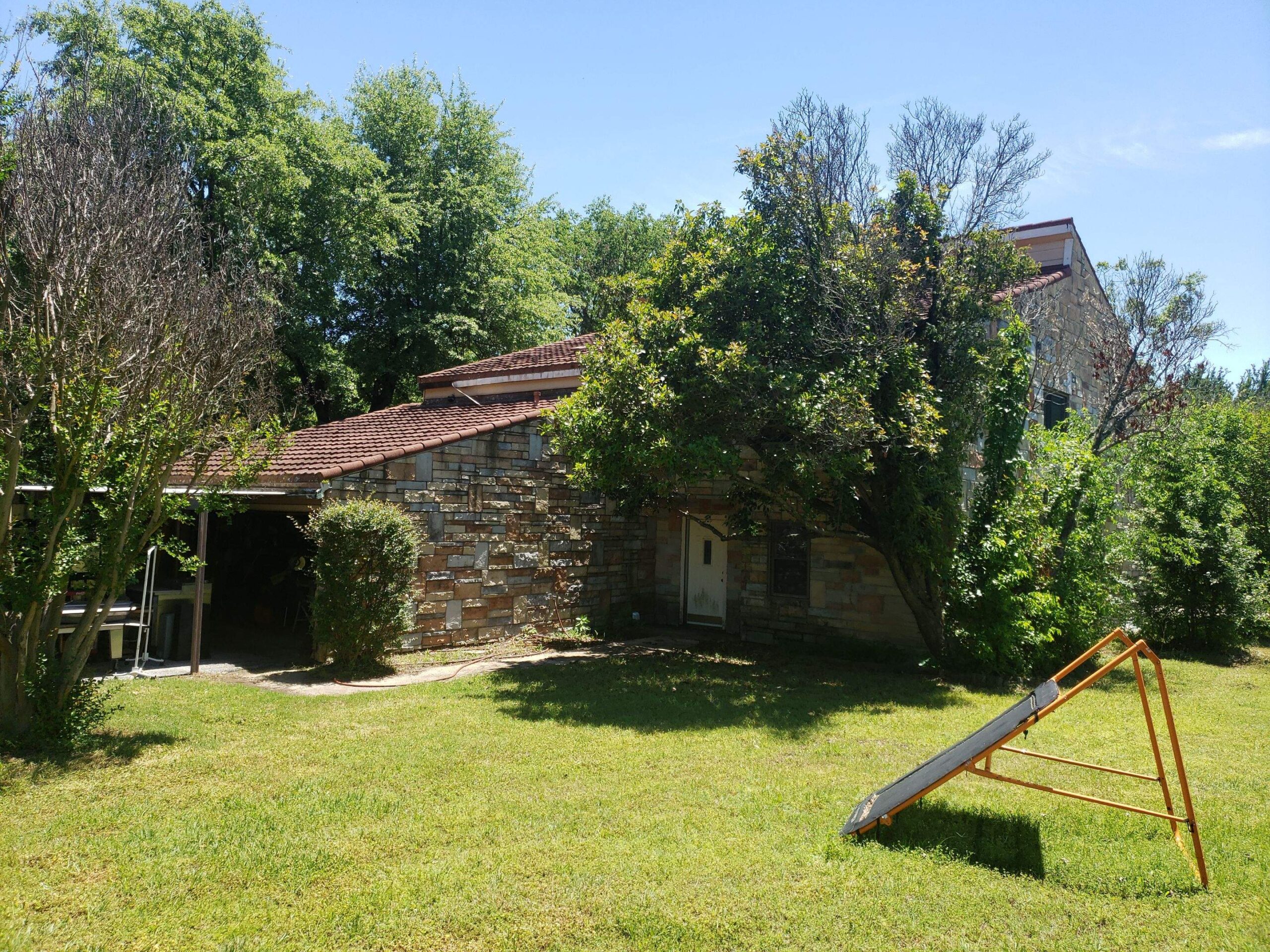
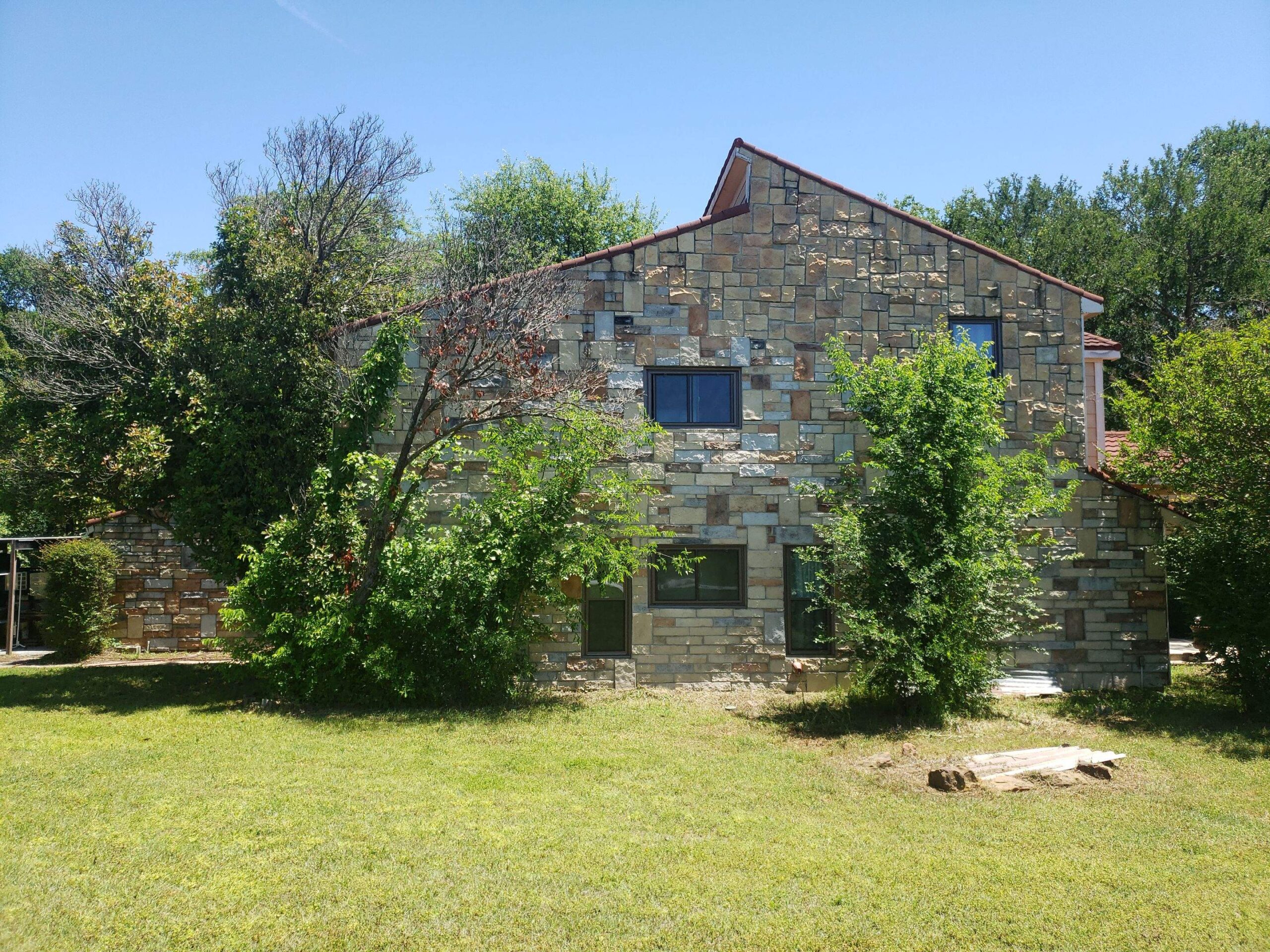
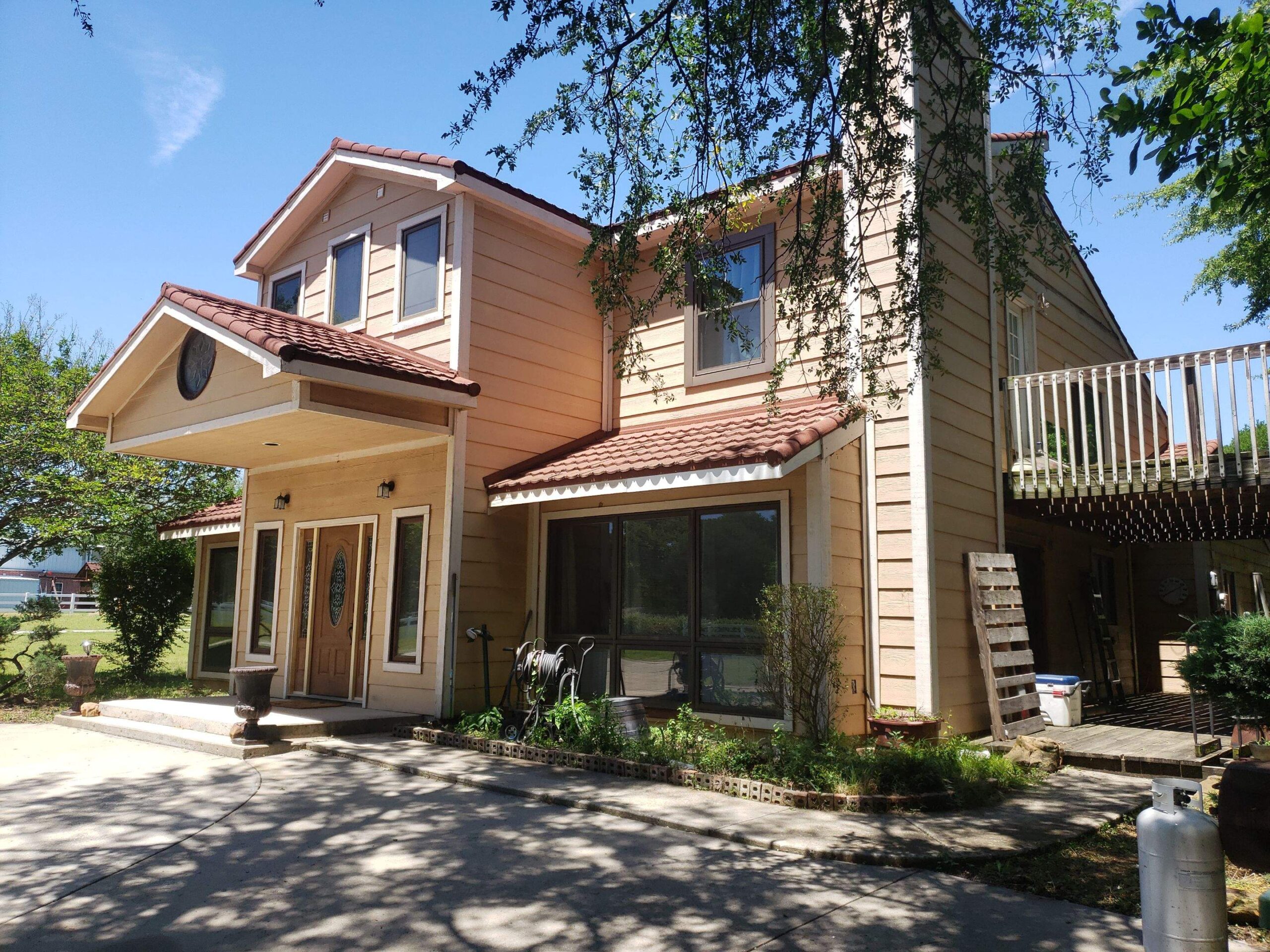
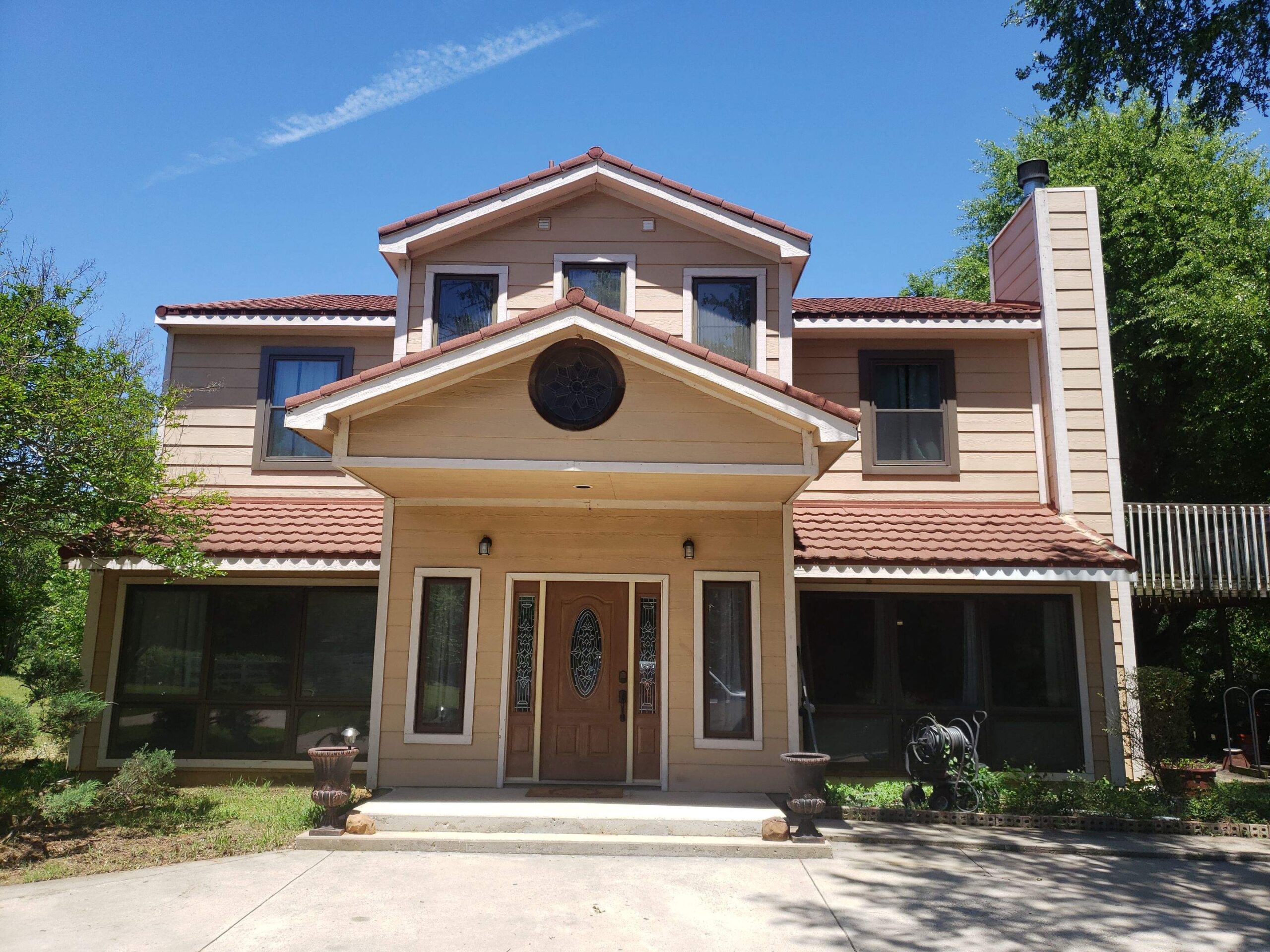
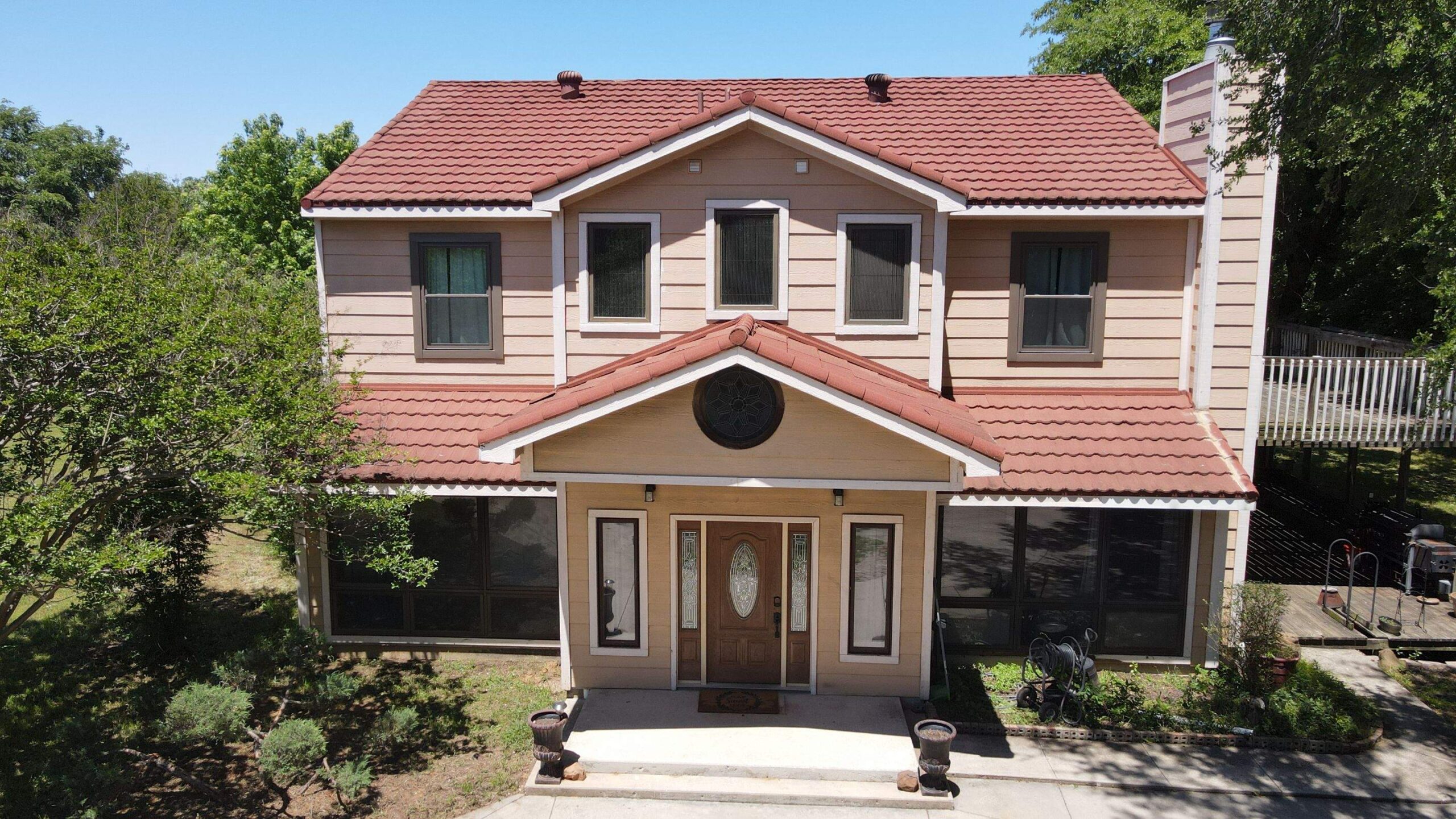
Presidio Roofing Company completed a full residential roof replacement at a single-family home with an attached shed in the Hide-A-Way area of Flower Mound, Texas, working under a Farmers insurance claim first filed in 2019 and revived in 2022. The project covered 2,887 sq ft (28.87 squares). Full scope included a tear-off to the decking, underlayment replacement upgraded from the carrier-specified 15 lb to 30 lb felt over synthetic, drip edge, flashing, and all accessories, with F Wave synthetic shingles installed across both the main structure and the attached shed. F Wave is a polymer-composite, Class 4 impact-rated product with no granule loss, a 50-year manufacturer warranty, and a 10-year workmanship warranty; it requires manufacturer-specific installer certification and can’t be installed using standard asphalt procedures. Farmers’ initial scope came in around $20,000 USD. Through a depreciation extension and three rounds of supplementing, the approved job value reached approximately $38,000 USD, with the homeowner responsible only for their deductible. Materials came through Beacon Supply via staged deliveries. The City of Flower Mound issued the permit with a two-month inspection window. The crew mobilized the morning after permit approval, passed the city’s final inspection on the first attempt, and the project closed approximately 3.5 weeks from permit approval in summer 2022.
In This Case Study:
- Project Snapshot: Key Specifications & Costs
- Introduction
- Work Scope
- Challenge 1: Installing a Synthetic Shingle Most Roofers Can't Touch
- The Solution: Certified F Wave Crew and a Spec-Driven Install
- Challenge 2: Reviving a Dormant 2019 Insurance Claim
- The Solution: Depreciation Extension and Three Rounds of Supplements
- Challenge 3: Beating Flower Mound's Permit-to-Inspection Window
- The Solution: Same-Day Mobilization and a First-Pass Inspection
- The Result
- How to Maintain Your New F Wave Synthetic Shingle Roof [REVIEW PRODUCER!]
- Frequently Asked Questions About This Project
Project Snapshot: Key Specifications & Costs
| Metric | Project Detail |
|---|---|
| Project Type | Full Roof Replacement (Residential) |
| Location | Hide-A-Way, Flower Mound, TX 75022 |
| Roof Size | 2,887 Sq Ft (28.87 Squares) |
| Material Used | F Wave Synthetic Shingle |
| Duration | 3-4 Weeks |
| Budget Range | $35,000 – $40,000 |
| Warranty | F Wave 50-Year Limited Warranty With 10-Year Workmanship |
Introduction
This was a residential roof replacement in the Hide-A-Way area of Flower Mound, but what makes the project stand out is the product. We installed F Wave synthetic shingles, a polymer-composite product that very few roofers in the DFW market are even certified to install. The original storm claim went all the way back to 2019, so before any of this work could happen we had to revive a long-dormant Farmers claim, file a depreciation extension to keep the money on the table, and walk the carrier through three rounds of supplements to get the scope and the dollars up to where they actually needed to be. Once the carrier and the city were finally lined up, the build came together fast. The homeowner ended up with a Class 4 impact-rated roof carrying a 50-year manufacturer warranty, all-in for an approved job value of roughly $38K.
Work Scope
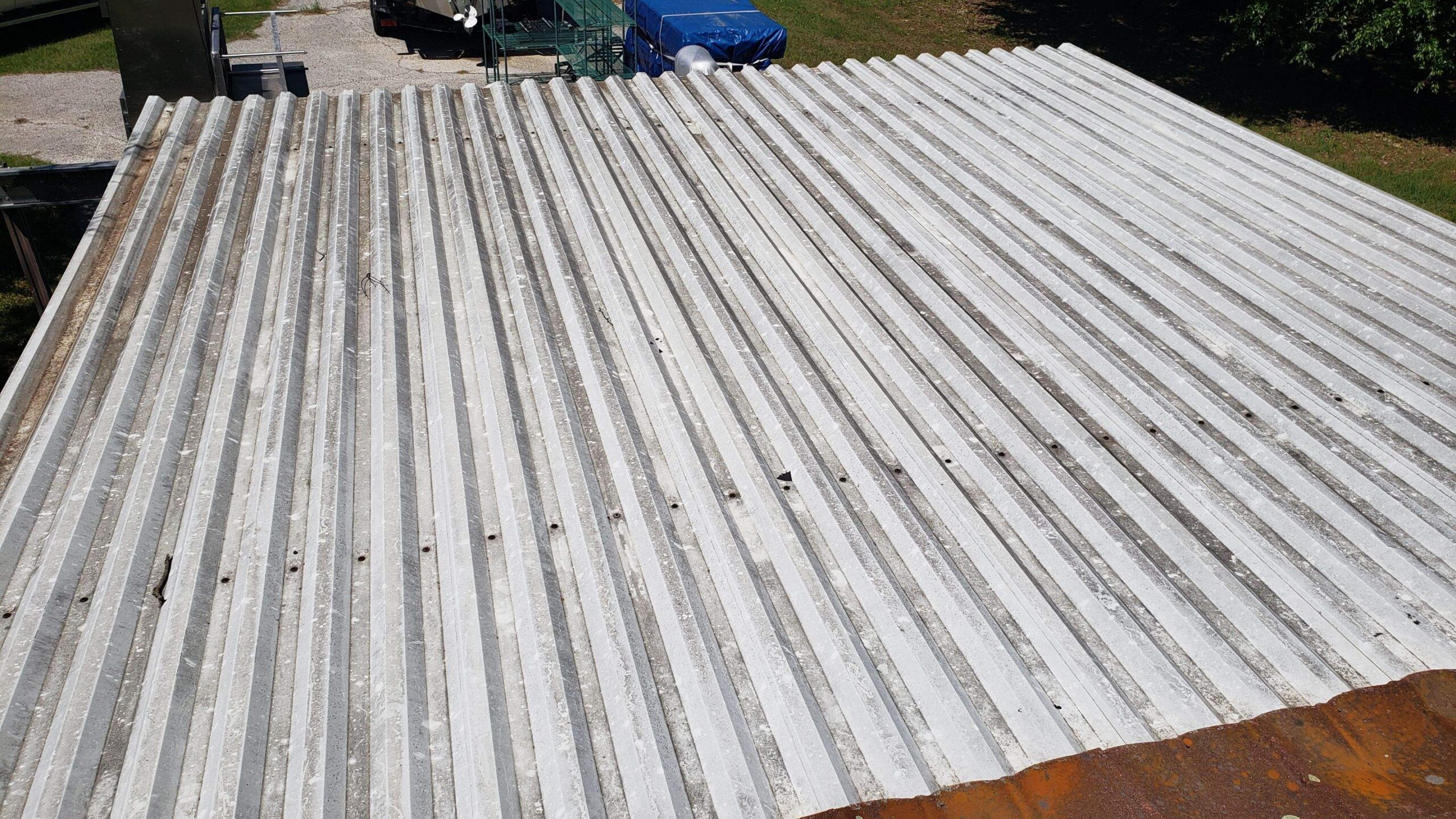
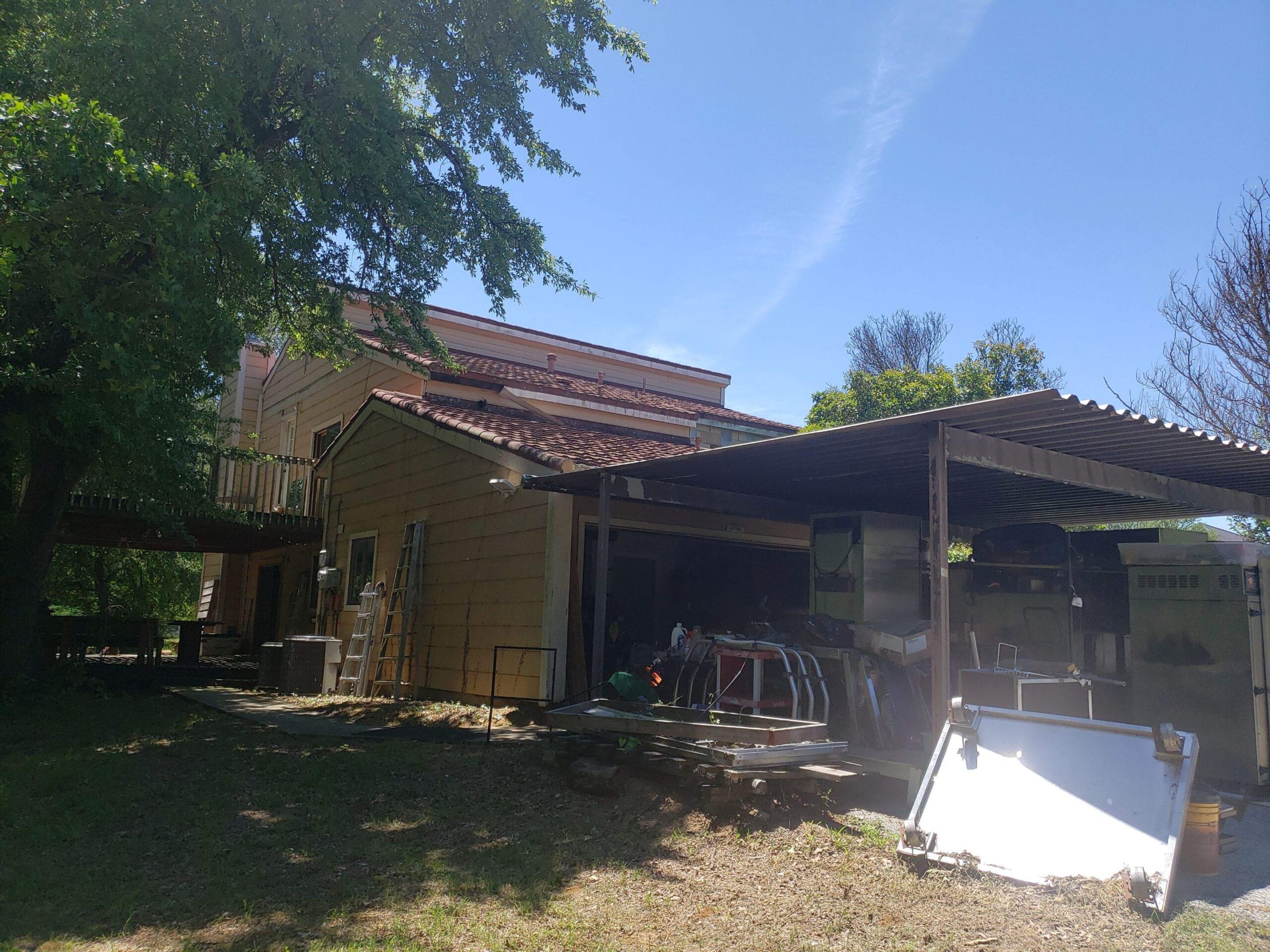
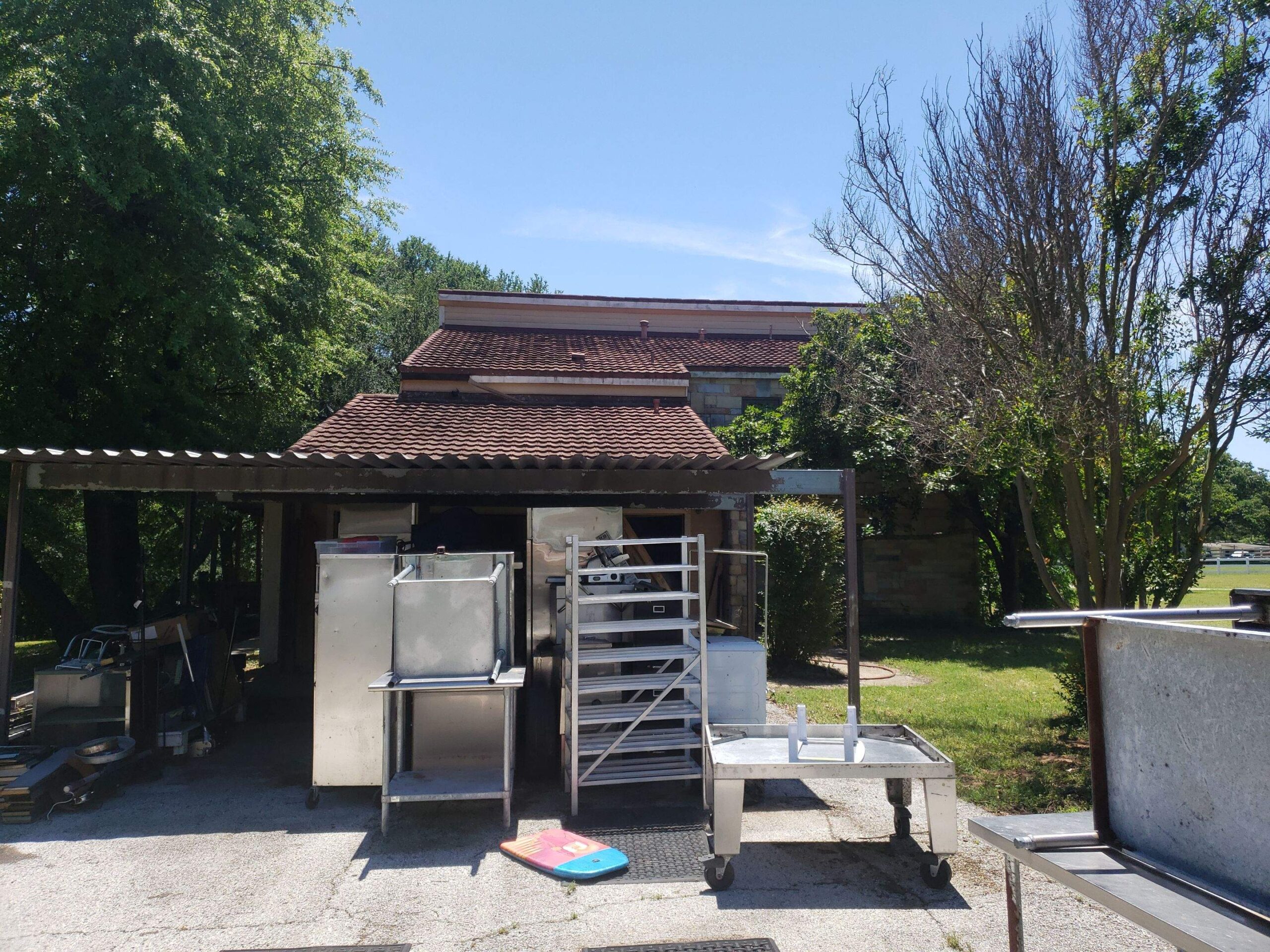
Full tear off down to the decking. Replace underlayment, drip edge, flashing, and accessories, then install F Wave synthetic shingle to the manufacturer’s spec. F Wave is not asphalt and you can’t install it the way a crew installs asphalt. The fastener pattern is different, the underlayment requirements are different, and if the install crew treats it like a standard architectural shingle, the warranty is void. Scope also covered the attached shed and a 30 lb felt upgrade on top of the synthetic underlayment, because Farmers had specced 15 lb in their first scope and that wasn’t going to fly under our build standard. Materials staged in through Beacon Supply across multiple deliveries to keep the build moving once the permit cleared. Documented the job through 139 photos and 28 supporting documents from the initial measurement all the way through final inspection.
Challenge 1: Installing a Synthetic Shingle Most Roofers Can't Touch
F Wave is not a product most homeowners have ever heard of, and most roofing companies you call in DFW won’t even pitch it. The default everywhere is asphalt – GAF Timberline, Owens Corning Duration, the usual lineup. Asphalt is fine. But it sheds granules over time, the warranty math gets complicated past year 25 or 30, and on a hail-prone property in this part of Texas, you’re signing up for another claim conversation in 10 to 15 years.
F Wave is a polymer-composite synthetic that looks like an architectural shingle but doesn’t have granules to lose, comes Class 4 impact-rated out of the box, and carries a real 50-year manufacturer warranty. The catch is it costs more than asphalt and the install rules are stricter. The manufacturer voids the warranty if the crew isn’t trained on the product. Most roofers don’t carry the certification, so a homeowner who actually wants a synthetic in this market doesn’t have many real options.
The Solution: Certified F Wave Crew and a Spec-Driven Install
We carry the F Wave certification and run install crews trained specifically on the product. We walked the homeowner through what the polymer construction actually delivers – no granule loss, real Class 4 hail performance, and a 50-year warranty that makes this, realistically, the last roof this house will ever need. Then we built the install around F Wave’s spec sheet, not asphalt habits, and got it done with the warranty fully intact.
The proof on the long-term play came three years later. When the home sold in 2025, the new owners called asking for the Class 4 documentation so they could pull an insurance discount. That kind of follow-on value doesn’t happen with a standard 30-year asphalt roof.
Challenge 2: Reviving a Dormant 2019 Insurance Claim
The original claim with Farmers was filed back in 2019. By the time we were ready to put a roof on this house in 2022, the claim was on the brink of dying for a couple of reasons. The depreciation withhold had a hard expiration window – that’s the portion the carrier holds back until work is completed, and once that window closes, the money is gone for good.
On top of that, Farmers’ first scope of loss was nowhere close to the actual cost of replacing this roof with the right product. Their initial estimate came in around $20K. The real number, with the F Wave install plus the shed plus the felt upgrade, was going to be more than double that. On a long-dormant claim like this, most roofers would tell the homeowner it’s too old to chase and recommend either walking away from the carrier money or eating the supplement gap themselves
The Solution: Depreciation Extension and Three Rounds of Supplements
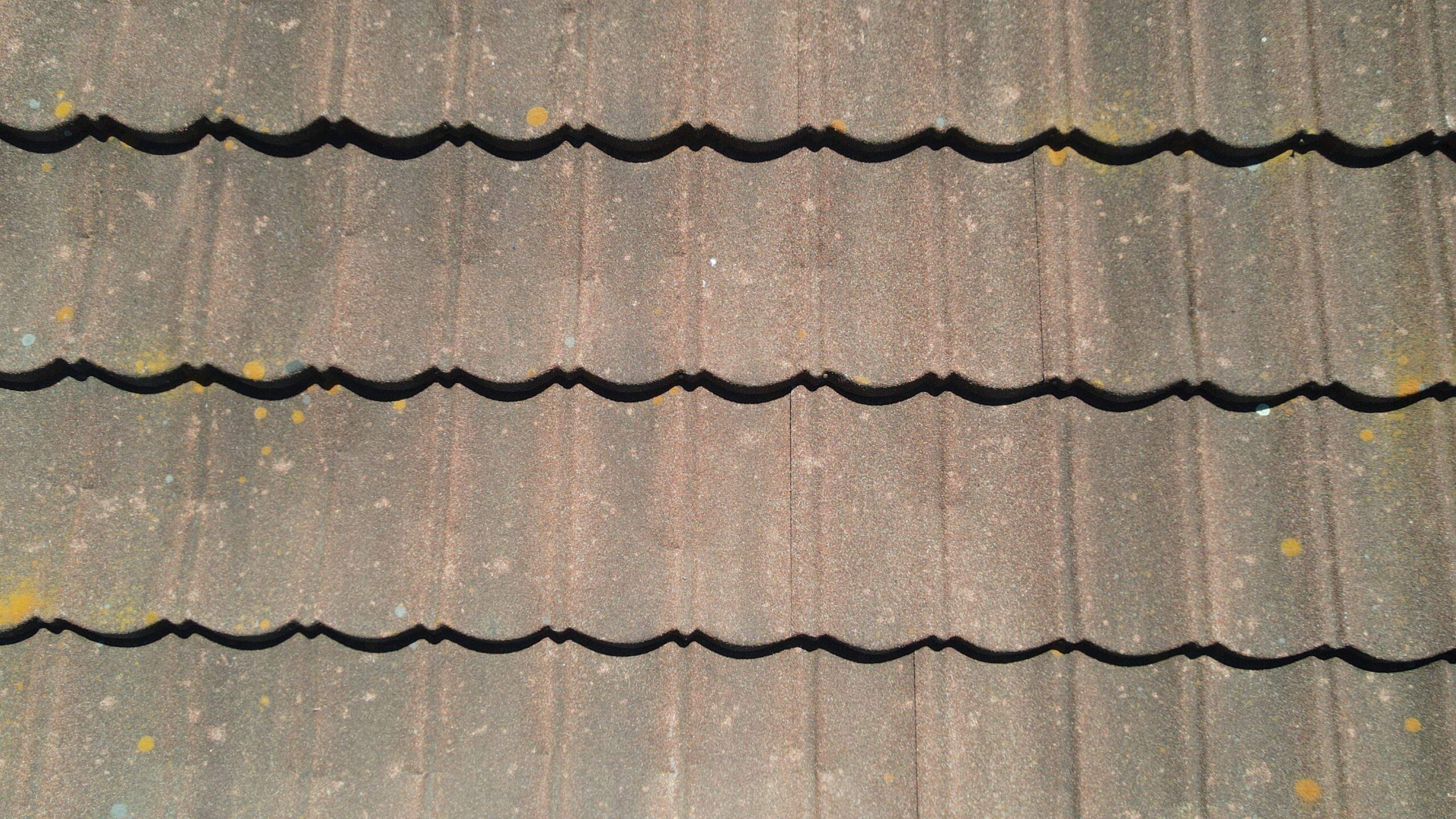
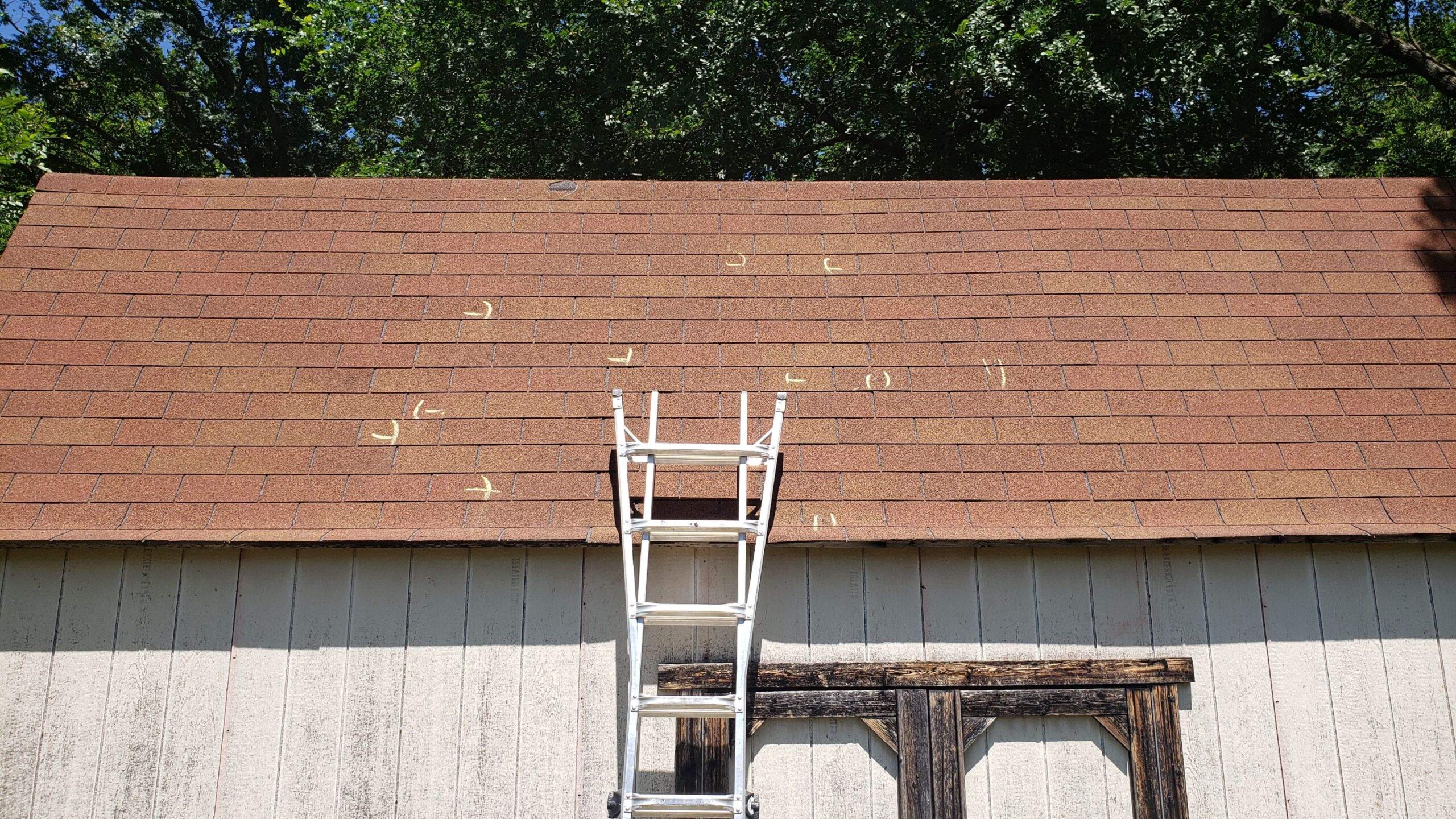
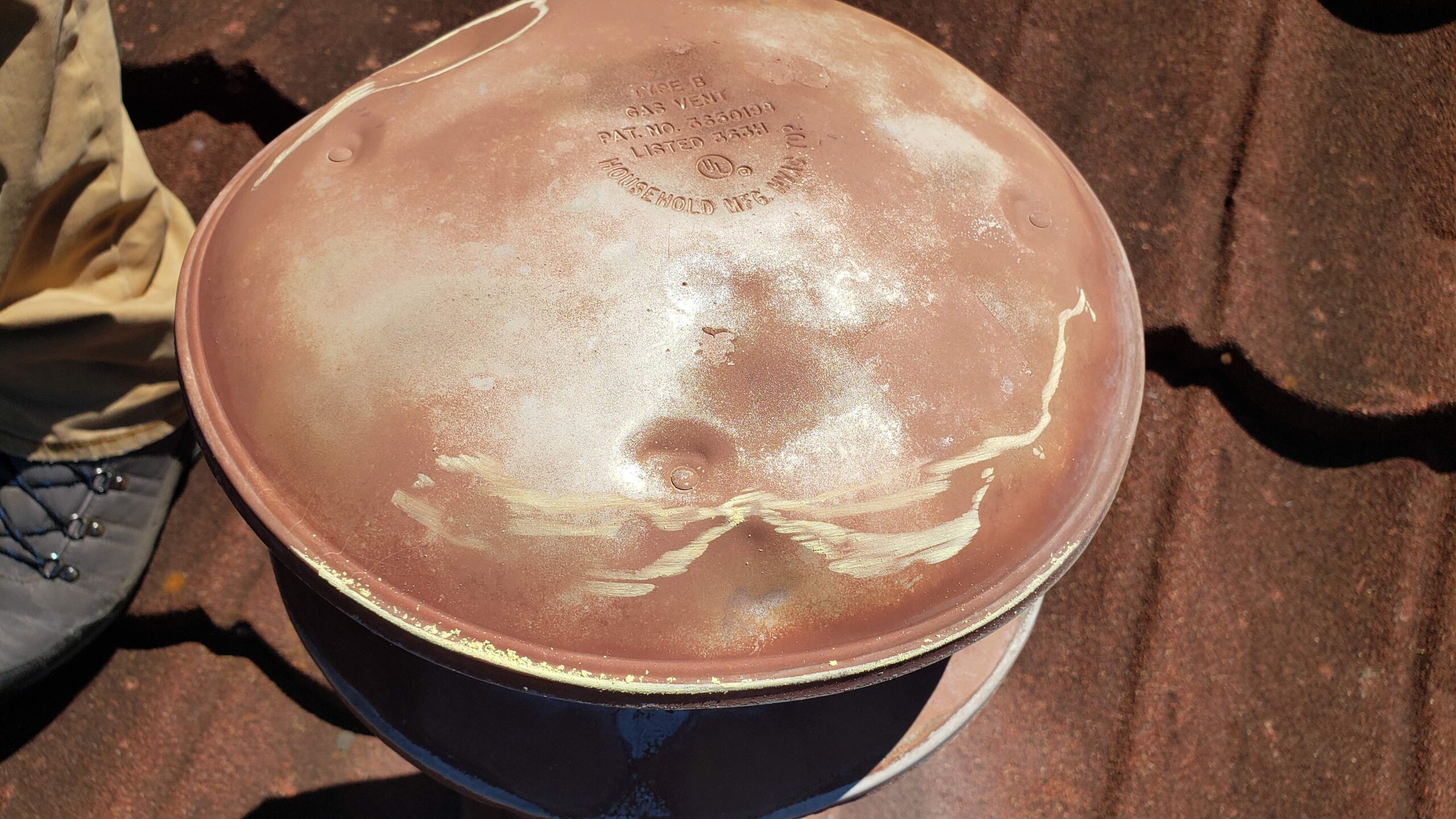
We filed a depreciation extension with Farmers to keep the claim financially alive while we put the real scope together. From there we walked the carrier through three rounds of supplements – Estimate 1, Estimate 2, Estimate 3, and a final – each time documenting what the original scope had missed and the manufacturer-spec items a proper F Wave install requires.
By the end, the approved job value landed at roughly $38K. The full depreciation released after the work passed final inspection, and the homeowner paid only their deductible. Without the depreciation extension, this claim would have been dead before the first shingle came off the roof.
Challenge 3: Beating Flower Mound's Permit-to-Inspection Window
When you finally get the green light on a multi-year claim, you don’t have time to waste. But Flower Mound’s permit process introduced its own pressure. From the day the permit was approved, we had roughly two months to pass a final city inspection – miss that window and the permit expires, and we’re paying to pull a second one.
On top of that, the build window had to line up with material delivery from Beacon Supply, the install crew’s calendar, the homeowner’s availability for attic access during the city inspection, and the inspector’s own calendar. The window to pull all of that together was a couple of weeks.
The Solution: Same-Day Mobilization and a First-Pass Inspection
We built the production schedule the day the permit cleared and had the install crew on the roof the very next morning. Materials had been staged in advance through Beacon Supply, the exterior repair crew was queued to come in immediately behind the install, and we coordinated the city’s final inspection for the following week so the homeowner only needed to be home for one window to give the inspector attic access.
The inspection passed first time. Final invoice and depreciation release went out a couple of weeks after that, and the job was fully closed inside about three and a half weeks from permit approval to closeout. That pace only works when the office, the install crew, the supplier, and the production manager are all running in lockstep.
The Result
The homeowner came into this project with a five-year-old claim that most contractors would have written off, and walked out with a fully funded roof replacement, a deductible as their only out-of-pocket cost, and a Class 4 polymer roof carrying a 50-year manufacturer warranty. Total approved claim value: $38,000. Time from permit approval to closeout: three and a half weeks.
The homeowner told us it was the first time anyone had actually explained what the insurance process was supposed to look like – and that the roof was the last thing they expected to turn into an asset.
Three years later, that assessment held up: when the property sold in 2025, the new owners reached out specifically for the impact rating documentation to pull a carrier discount – proof that the right product and a clean install keep delivering value well past the day the crew leaves. Read more from clients who’ve been through the same process.


How to Maintain Your New F Wave Synthetic Shingle Roof [REVIEW PRODUCER!]
While your new roof is built to last, regular maintenance ensures it remains eligible for warranty claims and performs optimally.
After any severe weather event, do a ground-level inspection. Look for dings in your gutters, tears in window screens, or or shingles lying in the yard. Don’t climb the roof yourself – call a professional if you suspect damage.
Keep gutters and downspouts clear at least twice a year and after major storms. Backups trap moisture and can damage your fascia, roof decking, and the tile system underneath.
Keep trees trimmed back at least 6-10 feet from your roof edges to cut down on debris and protect tiles from impact damage.
Frequently Asked Questions
What are synthetic roofing shingles and how do they differ from standard asphalt?
Why do certain roofing materials require installer certification, and how does that affect contractor selection?
Can a homeowner still recover insurance money from a claim filed years ago?
What is a roofing insurance supplement and when is one warranted?
What does a full residential roof replacement actually include?
What should homeowners know about roofing permit windows and city inspection requirements?
Does a Class 4 impact-rated roof qualify a homeowner for an insurance premium discount?

About the author: Nick Van Slyke
Certifications & Affiliations